Best Laser Hair Removal Equipment for Effective Results?
In the evolving world of beauty and personal care, Laser Hair Removal Equipment serves as a game-changer. Dr. Emily Chen, a leading expert in dermatology, states, "Selecting the right equipment is crucial for optimal results." She emphasizes the importance of understanding the various technologies available.
Many treatments promise effective hair removal, yet not all deliver consistent outcomes. In the market, options vary greatly, from affordable devices to high-end lasers used in clinics. This spectrum can be overwhelming for those seeking a reliable solution. Each device has its unique features, which can affect effectiveness and user experience.
Understanding the nuances of Laser Hair Removal Equipment is essential. Users must consider their skin type and hair characteristics before deciding. While some machines may appear appealing, their reliability often needs deeper scrutiny. Investing in quality equipment and professional advice can lead to effective results.
Overview of Laser Hair Removal Technology
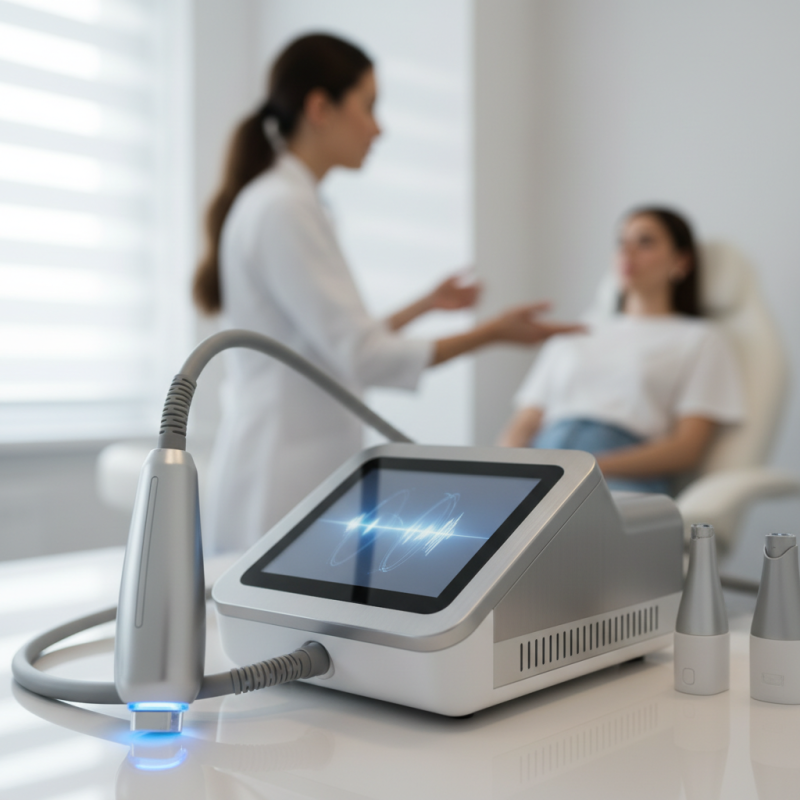
Laser hair removal technology has evolved significantly over the years. This method utilizes concentrated light beams to damage hair follicles. The light is absorbed by the pigment in hair, preventing future growth. Unlike traditional methods, laser treatments promise longer-lasting results.
Safety and effectiveness are crucial in this field. Devices vary, some being more suitable for specific skin types or hair colors. Not all lasers work for everyone. This inconsistency can lead to uneven results. Professionals must evaluate individual needs before recommending a treatment plan.
Clients often seek painless solutions, but discomfort is subjective. Some report slight sensations during sessions. Even with advancements, results can remain unpredictable. Consistent maintenance treatments are usually necessary. Individual healing times vary, emphasizing the need for personalized care.
Types of Laser Hair Removal Equipment Available
When considering laser hair removal, it's essential to understand the various types of equipment available. The most common lasers include Alexandrite, Diode, and Nd:YAG. Each type operates at different wavelengths, affecting hair follicle absorption and skin types.
Alexandrite lasers work best for light to olive skin tones. They provide rapid treatment and effective results, but can overheat darker skin. Diode lasers are versatile and suitable for all skin types. They penetrate deeper, making them effective for coarse hair. This versatility is critical, as data shows that about 20% of patients may experience adverse effects if the wrong laser is chosen.
Nd:YAG lasers suit darker skin tones, minimizing the risk of hyperpigmentation. They have longer wavelengths, resulting in fewer side effects. However, this often means longer treatment times. Studies indicate that effectiveness can vary, with 70% of patients achieving significant hair reduction. Yet, some report a need for multiple sessions to reach desired outcomes. This highlights the importance of selecting the right equipment and discussing options with a knowledgeable provider.
Best Laser Hair Removal Equipment for Effective Results
| Type of Laser | Wavelength | Skin Type | Treatment Duration | Effectiveness |
| Alexandrite Laser | 755 nm | Light to Medium Skin | 30 minutes | High |
| Diode Laser | 800 nm | Medium to Dark Skin | 45 minutes | Very High |
| Nd:YAG Laser | 1064 nm | All Skin Types | 1 hour | Moderate to High |
| Ruby Laser | 694 nm | Light Skin | 30 minutes | High |
Factors to Consider When Choosing Laser Hair Removal Devices
When choosing laser hair removal devices, several factors come into play. Effectiveness is paramount. Look for equipment that can target various hair types and skin tones. The technology used in the devices is crucial. Options like diode or IPL are popular, but each has pros and cons.
Safety is another essential element. Ensure that the device has built-in safety features to protect your skin. It is wise to consult with professionals before starting treatments. A thorough understanding of your skin's sensitivity can prevent adverse reactions.
User-friendliness also matters. Some devices are more complicated to operate than others. Choose one that suits your comfort level. Consider the device's maintenance needs; frequent upkeep can be cumbersome. Reflecting on these factors can help in making a more informed decision.
Comparison of Popular Laser Hair Removal Systems
When considering laser hair removal systems, several popular options stand out. The effectiveness of these systems often depends on various factors. A recent industry report indicated that clients can expect an 80% hair reduction after an average of six treatments. Understanding which technology delivers the best results is crucial.
One recent comparison highlighted diode lasers and alexandrite lasers as top choices. The report showed that diode lasers are effective for a wider range of skin types. They target melanin more specifically, minimizing skin damage. On the other hand, alexandrite lasers are noted for their speed, especially on lighter skin tones. However, they may pose risks for darker skin types.
In practice, user experience varies widely. Some patients reported discomfort and varying hair regrowth rates. One study found a satisfaction rate of just 62% among users of a particular system. This indicates that individual results can differ, necessitating careful selection. Ongoing innovations in laser technology continue to improve safety and effectiveness, but not all systems are equal. The choice should align with unique skin types and hair color for optimal outcomes.
Tips for Achieving Effective Results with Laser Hair Removal
When considering laser hair removal, selecting the right equipment is crucial. The effectiveness of treatment largely depends on how well the technology suits an individual's skin type and hair color. Studies have shown that the best results are achieved when matching equipment settings to the patient’s unique characteristics. For instance, the American Academy of Dermatology highlights that lighter skin with dark hair typically responds better to laser treatments.
Preparation and aftercare are vital. The skin should be free of lotions, oils, or self-tanners prior to treatment. This ensures the laser effectively targets hair follicles. Post-treatment care, including sun protection, can significantly affect outcomes. It’s recommended to avoid direct sunlight for at least two weeks post-session to reduce the risk of pigmentation issues.
A 2021 report by the International Society of Aesthetic Plastic Surgery points to varying satisfaction rates based on treatment adherence. Only 70% of patients who followed through recommended sessions reported effective results. These figures suggest many may not achieve desired outcomes due to inconsistent treatments. Regular maintenance sessions play a key role in achieving long-lasting results. It’s also important to choose certified professionals who understand the nuances of laser technology to maximize effectiveness and safety.

