How to Choose the Right Ultrasonic Flow Meter for Your Application?
Choosing the right ultrasonic flow meter is crucial for many industries. This equipment measures fluid flow with precision. Its importance can’t be overstated, especially in manufacturing and environmental monitoring.
When selecting an ultrasonic flow meter, several factors come into play. For example, understanding the type of fluid is essential. Will you be measuring water, chemicals, or slurries? Each fluid type requires a different approach. Additionally, pipe sizes and installation conditions matter. Improper installation can lead to inaccurate readings.
Many users struggle to choose the correct model. They often focus solely on price or brand reputation. However, performance is more vital than cost. If the device doesn’t fit your application, it won’t deliver reliable results. Reflection on these aspects can lead to a better decision. A thoughtful approach ensures you select the right ultrasonic flow meter for your specific needs.
Understanding Ultrasonic Flow Meters and Their Functionality
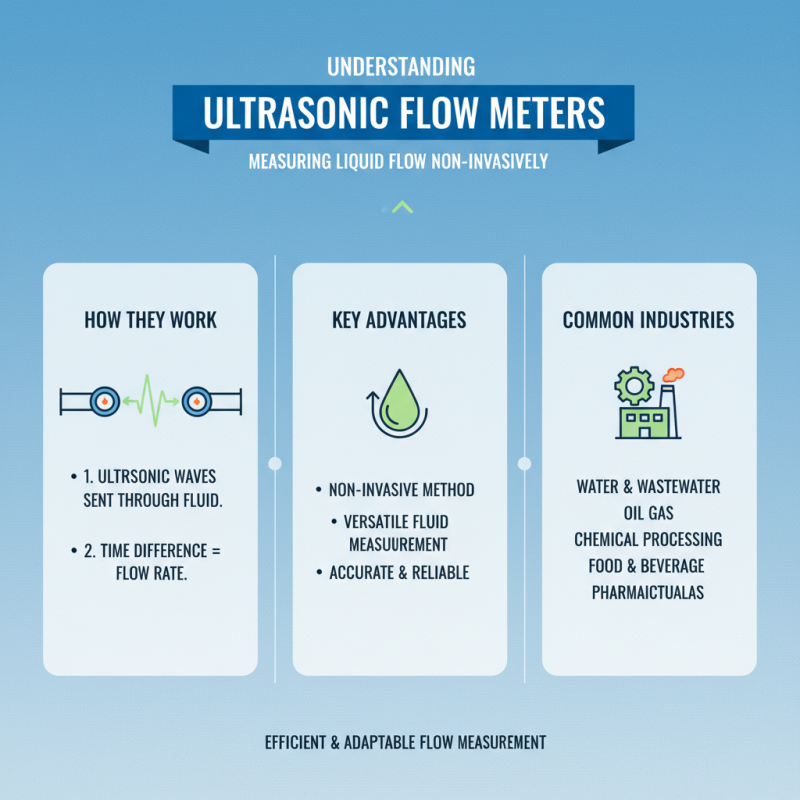
Ultrasonic flow meters play a crucial role in measuring liquid flow. They operate by sending ultrasonic waves through the fluid. The time it takes for the waves to travel indicates the flow rate. This non-invasive method is popular in many industries. Its ability to measure various fluids is a significant advantage.
Understanding the functionality of these devices can be complex. Different types are available, such as transit-time and Doppler. Transit-time meters are ideal for clean liquids, while Doppler meters work well with dirty or mixed liquids. Knowing the properties of your fluid is essential. For instance, a highly viscous fluid may affect measurements.
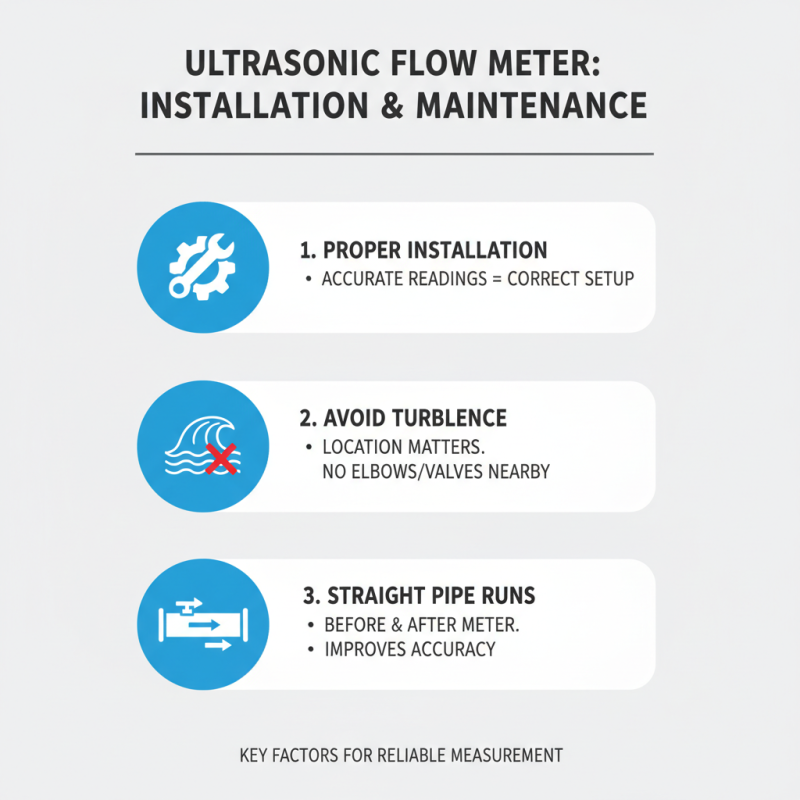
Installation can also pose challenges. Proper positioning of the sensors is vital for accurate results. Misalignment can lead to errors. Additionally, the environment can impact performance. Factors such as temperature and pressure must be considered. Evaluating all these aspects helps ensure you choose the right meter for your needs. The variability in performance often requires careful assessment and adjustments.
Key Factors to Consider When Choosing an Ultrasonic Flow Meter
When selecting the right ultrasonic flow meter, several key factors come into play. The medium being measured is crucial. For instance, the viscosity of the fluid can significantly affect measurement accuracy. A study from the Flow Measurement and Instrumentation journal reveals that over 70% of flow meter inaccuracies stem from improper device selection based on fluid characteristics.
Installation location is another vital consideration. Ultrasonic flow meters often require a straight run of piping for optimal performance. Ideally, there should be at least 10 pipe diameters upstream and 5 pipe diameters downstream for accurate readings. However, this is not always possible in existing setups. Many professionals overlook this, leading to errors and unreliable data.
Lastly, one should evaluate the temperature and pressure ranges of the application area. Devices may have limitations in these aspects, directly affecting performance. In environments with fluctuating conditions, this aspect requires careful attention. A report from the International Society for Measurement and Control indicated that around 30% of flow meters fail due to exceeding their operational limits. Balancing these factors is essential for ensuring a successful and efficient flow measuring application.
Types of Ultrasonic Flow Meters and Their Applications
When choosing an ultrasonic flow meter, understanding the various types is essential. There are two main categories: transit-time and Doppler.
Transit-time meters work well for clean liquids, while Doppler meters are ideal for fluids containing bubbles or solids.
Doppler flow meters rely on sound waves reflecting off particles in the flow. This makes them suitable for wastewater and slurries.
On the other hand, transit-time meters measure the time difference of ultrasonic signals. They are favored in applications like water supply monitoring due to their accuracy.
Tip: Always consider the fluid type before making a decision. If your application includes dirty liquids, a Doppler meter may be needed.
Another factor is pipe size. Transit-time meters often require specific pipe diameters for optimal accuracy. However, some models can adapt to various sizes.
Tip: Check installation requirements carefully.
Mismatched sizes can lead to inaccuracies. It’s crucial to reflect on the environmental conditions too. Extreme temperatures or pressures might affect performance.
Choose wisely. The right meter enhances efficiency and reduces costs.
Balancing your application's needs can lead to better outcomes.
Evaluating Accuracy and Measurement Range in Flow Meter Selection
When selecting an ultrasonic flow meter, accuracy and measurement range are crucial factors. Accuracy refers to how closely the meter's readings match the actual flow rates. A high level of precision is desirable for many applications, especially in industries like water treatment or chemical processing. Often, flow meters provide a percentage of accuracy. Understand this specification well; it influences data reliability.
Measurement range, on the other hand, defines the flow meter's operational limits. Each application demands different flow rates. A meter that works for sewage treatment may not suit food and beverage applications. It's essential to evaluate the minimum and maximum flow rates required for your specific situation. An inadequate range could lead to erroneous readings or potential damage.
Consider the environment where the meter will be installed. Factors like temperature, pressure, and fluid type can impact performance. Sometimes, even a slight deviation can lead to significant errors. Reflection on the operational conditions is necessary to ensure you do not overlook these details.
Selecting the right ultrasonic flow meter is a blend of technical specifications and real-world application understanding. Don't underestimate the importance of asking for expert opinions when needed. Remember, an imperfect choice can lead to costly mistakes down the line.