What is a Diode Laser Machine and How Does it Work?
The Diode Laser Machine has transformed various industries, bringing cutting-edge technology to the forefront of productivity. Dr. Sarah Thompson, an industry expert from LaserTech Innovations, states, "Diode lasers are redefining precision in multiple applications." This innovation has made significant strides in medical, beauty, and manufacturing fields.
These machines utilize semiconductor technology, creating focused light beams that cut or engrave materials with remarkable accuracy. The compact design allows for flexibility in various settings, enhancing both operational efficiency and user experience. However, despite their advantages, some users face challenges in understanding their full potential.
Training and familiarity with the machine are essential for achieving optimal results. As the technology evolves, so does the need for continuous learning and adaptation. A Diode Laser Machine is not just about the hardware; it involves mastering techniques to unlock its full capabilities. This journey toward proficiency is worth the effort, as users can harness the true power of diode lasers.
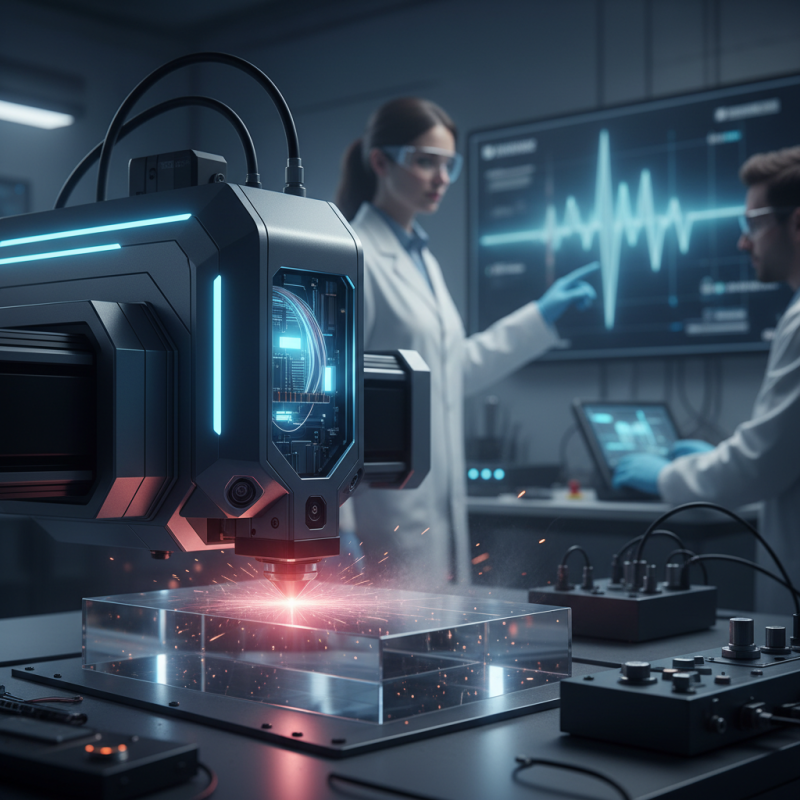
What is a Diode Laser Machine?
Diode laser machines are innovative tools widely used in various industries. They utilize semiconductor technology to produce laser light. Their compact size and efficiency make them ideal for applications like hair removal, skin rejuvenation, and even dental procedures. According to a report by MarketsandMarkets, the global diode laser market is projected to grow from $3.1 billion in 2020 to $5.9 billion by 2025. This growth reflects the rising adoption of laser technology in medical and cosmetic fields.
These machines emit a coherent beam of light through a process called stimulated emission. This light effectively targets specific pigments in hair or tissue, ensuring minimal damage to surrounding areas. A study published in the Journal of Cosmetic Dermatology highlighted that diode lasers can increase hair removal effectiveness by up to 90%. However, results can vary, and not all individuals respond equally. Factors such as skin type and hair color play a critical role in treatment outcomes.
Despite their advantages, there are challenges. Inexperienced operators may lead to inconsistent results, causing patient dissatisfaction. Additionally, research indicates that while diode lasers are generally safe, there is a risk of side effects like burns or discoloration if settings are not calibrated correctly. This highlights the need for professional training and knowledge in laser technology to ensure safety and effectiveness.
Principles of Operation of Diode Lasers
Diode lasers operate on a simple yet effective principle. They use a semiconductor to convert electrical energy into light. This process occurs when electrons and holes recombine within the material, releasing energy in the form of photons. The unique design allows for substantial efficiency and compact size, which makes these devices popular in various applications.
The emitted light from a diode laser tends to be coherent and monochromatic, which enhances its effectiveness for specific tasks. However, various factors can influence performance, such as temperature and current fluctuations. Understanding these elements is crucial for optimal operation. For instance, overheating can alter the output, leading to diminished precision.
In many scenarios, the alignment of the optical components plays a critical role in achieving desired results. This highlights the need for careful calibration and potentially regular maintenance. Users must recognize that while diode lasers offer substantial advantages, challenges exist that require awareness and proactive measures for best performance.
What is a Diode Laser Machine and How Does it Work? - Principles of Operation of Diode Lasers
| Parameter | Description | Typical Applications | Wavelength Range |
| Diode Laser Machine | A machine that utilizes semiconductor diodes to produce coherent light for various applications. | Cutting, engraving, and marking materials. | 780 nm to 980 nm |
| Working Principle | Diode lasers operate by electron-hole recombination in a semiconductor, generating photons. | Medical applications, industrial laser welding. | 800 nm to 1064 nm |
| Advantages | Compact size, efficient energy conversion, and lower costs. | Sculpting, tattoo removal, and hair removal. | 700 nm to 1500 nm |
| Limitations | Limited wavelength range compared to other types of lasers. | Precision manufacturing, surface treatment. | 600 nm to 1000 nm |
Components of a Diode Laser Machine
Diode laser machines have gained significant traction in various industries, primarily due to their efficiency and precision. Understanding the components of these machines is essential for anyone looking to harness their capabilities. A typical diode laser machine comprises several key components, each playing a crucial role.
The laser diode itself is the heart of the system. It converts electrical energy into laser light. According to a report from the International Journal of Optics, diode lasers can achieve wavelengths between 400 nm to 1,600 nm. This wide range enhances versatility in applications like medical procedures and material processing. The cooling system is vital as well. It prevents overheating, maintaining optimal performance. Air or water-cooled systems are commonly employed, each with distinct benefits.
Additionally, the optical components, including lenses and mirrors, focus and direct the laser beam. These elements ensure that the laser is precise, producing clean cuts or accurate results. A 2020 study indicated that precise optics can increase output quality by up to 30%. However, the complexity of aligning these components can pose challenges. Assembly errors may lead to inefficient performance, underscoring the need for careful calibration.
Applications of Diode Laser Technology
Diode laser technology has various significant applications across multiple industries. In medical fields, these machines are used for precise surgical procedures and tissue ablation. Their ability to target specific areas minimizes damage to surrounding tissues. This precision enhances recovery time for patients, showcasing the technology’s effectiveness.
In the beauty sector, diode lasers facilitate hair removal, skin rejuvenation, and tattoo removal. Many aesthetic professionals favor them for their efficiency and relatively painless procedures. They can adapt to various skin types, which is a considerable advantage. However, results can vary based on individual skin conditions and their responses.
In industrial settings, diode lasers are crucial for cutting, welding, and engraving materials. They allow for high-speed operations and create fine, detailed designs. Yet, there are challenges related to material compatibility and the potential for heat distortion. These factors must be closely monitored to achieve optimal results. Overall, diode laser machines are versatile tools, but their effectiveness is influenced by careful application and consideration of specific contexts.
Advantages and Limitations of Diode Lasers
Diode lasers have revolutionized various industries, offering unique advantages. One of the primary benefits is their efficiency. They convert electrical energy into light with minimal loss. This efficiency translates into lower operational costs over time. Additionally, diode lasers produce a narrow wavelength, making them suitable for precise applications in fields like medicine and manufacturing. Their compact size enhances versatility, enabling use in smaller devices.
However, diode lasers have limitations. Their power output might not match that of other laser types, restricting their use in heavy-duty applications. They also generate heat during operation, requiring adequate cooling systems. Without proper heat management, performance can diminish. This aspect may lead to potential service interruptions and increased maintenance needs.
Tips: Always assess project requirements before choosing a laser type. Consider both your efficiency needs and power requirements. Regular maintenance checks can prolong the life of your diode laser machine. Watch for any signs of overheating or reduced performance to avoid unexpected downtime.

