
What is Flow Measurement and How Does it Work?
Flow measurement is a critical aspect of various industries, including oil and gas, water management, and manufacturing. Accurate flow measurement ensures operational efficiency, safety, and compliance with regulations. According to the latest market research report by Grand View Research, the global flow measurement market is expected to reach USD 10.89 billion by 2025, growing at a CAGR of 6.4%. This growth highlights the increasing demand for precise flow measurement technology.
In practice, flow measurement involves various techniques, such as volumetric and mass flow measurement. Each method has its advantages and limitations. For instance, while mass flow meters provide high accuracy, they may require frequent calibration. This raises questions about the reliability of different measurement techniques in real-world applications.
Despite advancements in technology, challenges remain in achieving consistent accuracy. Factors like temperature and pressure fluctuations can affect measurements. Organizations often find themselves grappling with these variables. Understanding flow measurement is not just about choosing the right device; it requires a comprehensive approach that considers environmental conditions and operational needs. Hence, continuous innovation and adaptation are crucial in maintaining effective flow measurement practices.
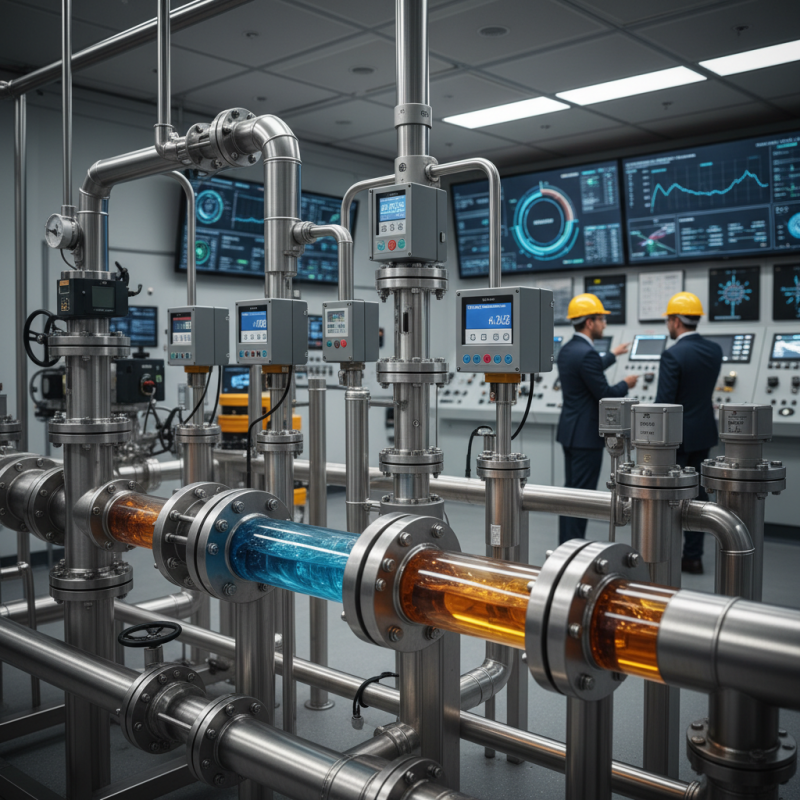
Definition of Flow Measurement and Its Importance
Flow measurement is crucial in various industries, including water management, oil and gas, and pharmaceuticals. It refers to quantifying the movement of liquids or gases in a system. Understanding flow measurement is essential for efficiency and safety. According to a report by the International Society of Automation, accurate flow measurement can enhance operational efficiency by up to 30%.
In processes such as chemical production, the precision of flow measurement directly impacts product quality. For instance, deviations in fluid flow can lead to inconsistencies, which may result in subpar output. Effective measurements can prevent these issues. Moreover, industries face challenges related to maintenance and calibration of flow measurement devices. About 25% of companies reported difficulties in maintaining these systems properly, leading to potential inaccuracies.
Another aspect to consider is environmental compliance. Many industries must adhere to regulations regarding emissions and waste management. The U.S. Environmental Protection Agency emphasizes that accurate flow measurement plays a vital role in ensuring compliance. Companies can avoid hefty fines by monitoring their flow rates effectively. However, not all organizations invest in high-quality measurement tools, which can lead to risky situations. The discrepancies in data can highlight the need for continuous improvement in measurement practices.
What is Flow Measurement and How Does it Work? - Definition of Flow Measurement and Its Importance
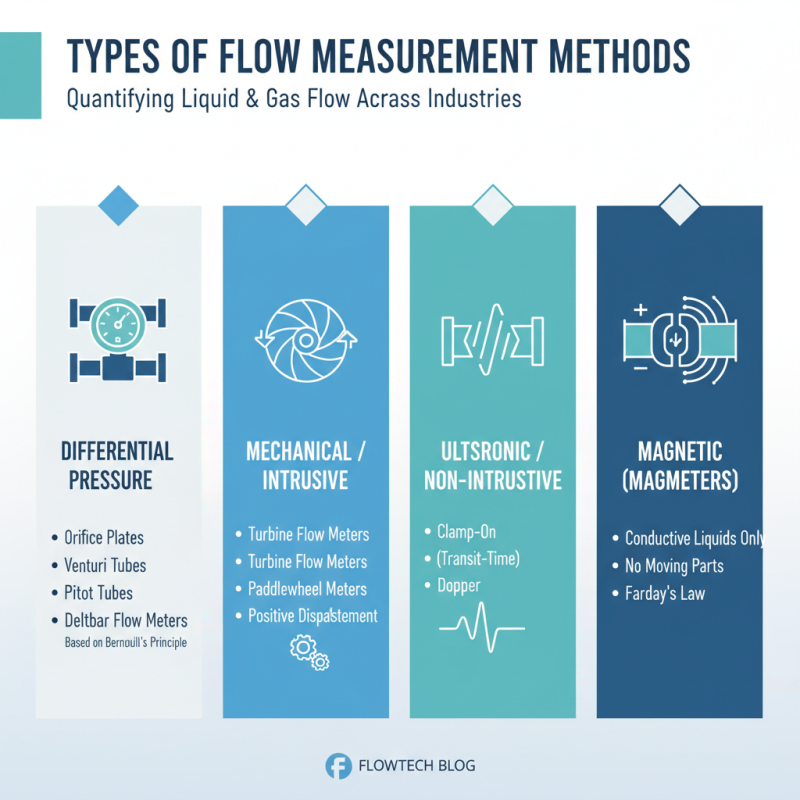
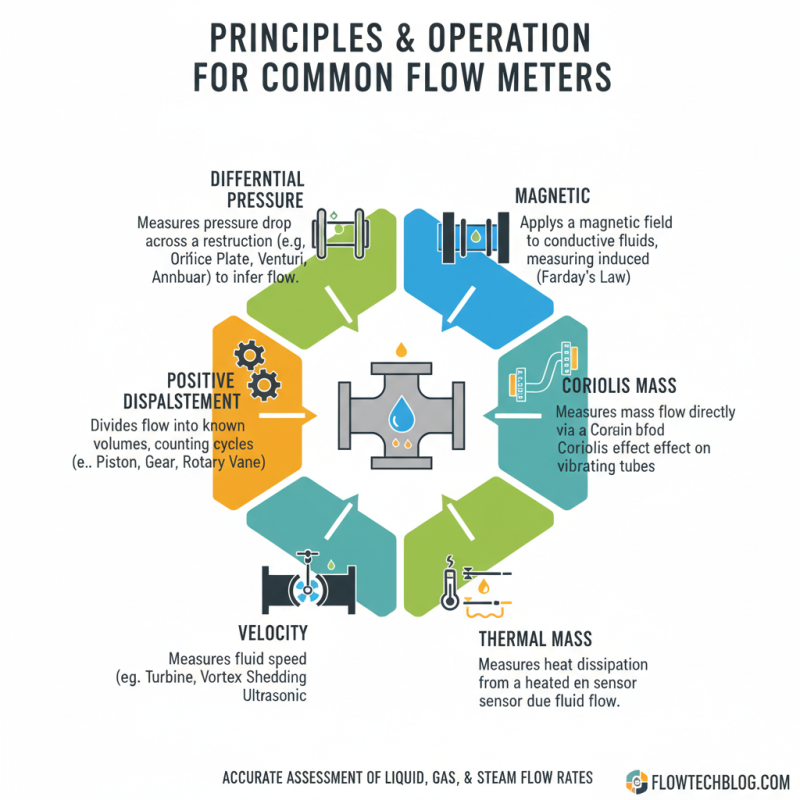
| Measurement Technique | Description | Applications | Advantages | Disadvantages |
|---|---|---|---|---|
| Volumetric Flow Measurement | Measures the volume of fluid passing through a point per unit time. | Water supply, chemical processing, and manufacturing. | High accuracy, suitable for a wide range of fluids. | Sensitivity to fluid properties and temperature changes. |
| Mass Flow Measurement | Measures the mass of fluid passing through a point per unit time. | Food and beverage industry, pharmaceuticals. | Direct measurement of mass, independent of fluid density. | Higher initial cost and complexity. |
| Differential Pressure Flow Measurement | Utilizes the pressure drop across a flow restriction to calculate flow rate. | Oil and gas production, HVAC systems. | Well-established technology, low maintenance. | Measurement error due to temperature and pressure variations. |
| Ultrasonic Flow Measurement | Uses ultrasonic waves to measure the velocity of fluid flow. | Water treatment, industrial applications. | Non-invasive, works well with dirty or corrosive fluids. | Requires calibration, sensitivity to flow profile changes. |
| Electromagnetic Flow Measurement | Measures the voltage generated by a conductive fluid moving through a magnetic field. | Water and wastewater management, chemical industries. | Accurate for conductive fluids, low pressure loss. | Not suitable for non-conductive fluids. |




© 2026 | Flownamics | All Rights Reserved | Privacy Policy